The following presentation contains audio, image and video material. It aims to give an impression of Kinshasa and so-called traditional music in Kinshasa. As this is a musicological work, sound plays an essential role. It is worth putting on headphones and taking a few minutes to follow the content. If using a mobile phone, landscape format should be selected.
The music was recorded during a rehearsal of the Ballet Umoja orchestra in Kinshasa. It is an arrangement in which several pieces from the Manyanga culture of the Congo-Central province have been combined into one piece.
I was able to take the photo while the groupe was preparing for a performance at a wedding. They had been put together especially for this occasion. The skins of the Ngomas are being warmed up in order to tune them.
Kinshasa is the capital of the Democratic Republic of Congo, with an estimated population of over 16 million. It is a patchwork of residents from across the country and from international backgrounds. Although Lingala is the lingua franca, French and the three other official languages, Ciluba, Kikongo and Kiswahili, are also spoken, as are numerous other languages, local dialects and language communities. These include Mongo, Teke, Pende, Mbala, Yaka, Ngongo, Hungani, Mbund, Tandu, Nianga, Tetela, Kuba, Chokwe, Lele, Songye, and others. Due to rural exodus, Kinshasa has become a melting pot that also reflects the conflicts affecting the country.

The film shows footage from Kinshasa. It was shot during a production we were able to do at the Institut Français in 2024. There, it was part of a performance. I re-edited the material to adapt it to the context used here. It is intended to give an impression of the cityscape, but only a small section is shown. The people who appear in the film were chosen at random and are only representative.
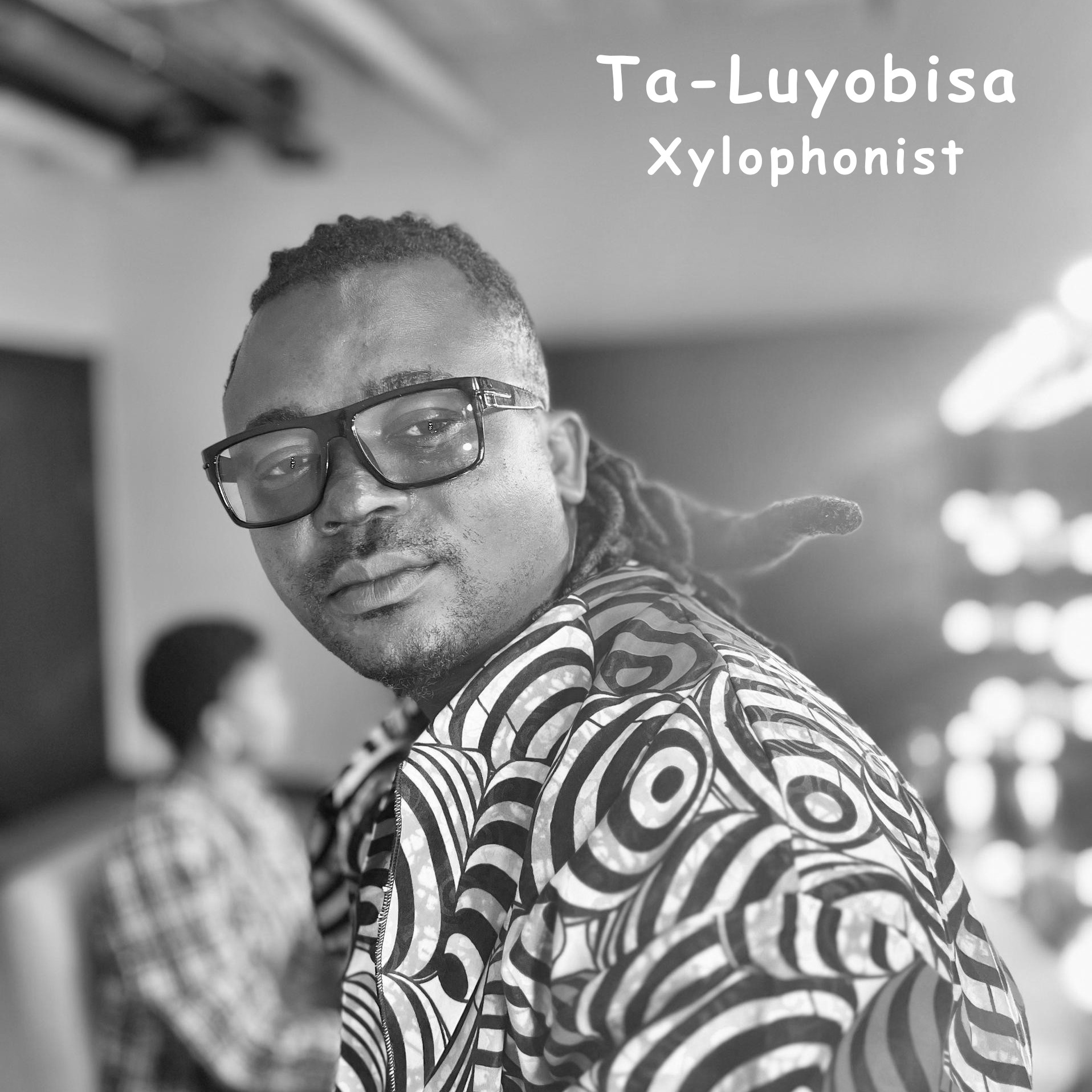
There are several groups in Kinshasa that practise ‘musique folklorique’, and professional musicians and dancers often gain their first experience and training through these traditions. In addition to publicly active groups that are booked for weddings or funerals, there are also countless references to so-called ‘traditional music’ in informal settings, such as private celebrations or musical improvisations, and it is not uncommon for metaphors in popular music to be inspired by traditional images. In other words, the relationships between traditional rural cultures, contexts and roles, and big-city society are diverse and are particularly evident in musical developments. Below are some film recordings showing music that can be described as ‘traditional’, as the repertoire from different regions of the country is played with traditional instruments. The recordings were made in Kinshasa in 2024 and 2025.
I have provided little additional information about the film recordings, as I believe the images and music speak for themselves. However, if you are interested, please write to me and I will try to answer your questions. The musicians have, of course, agreed to the publication of the material as part of the research project. They would like their music to be accessible to a wider audience.
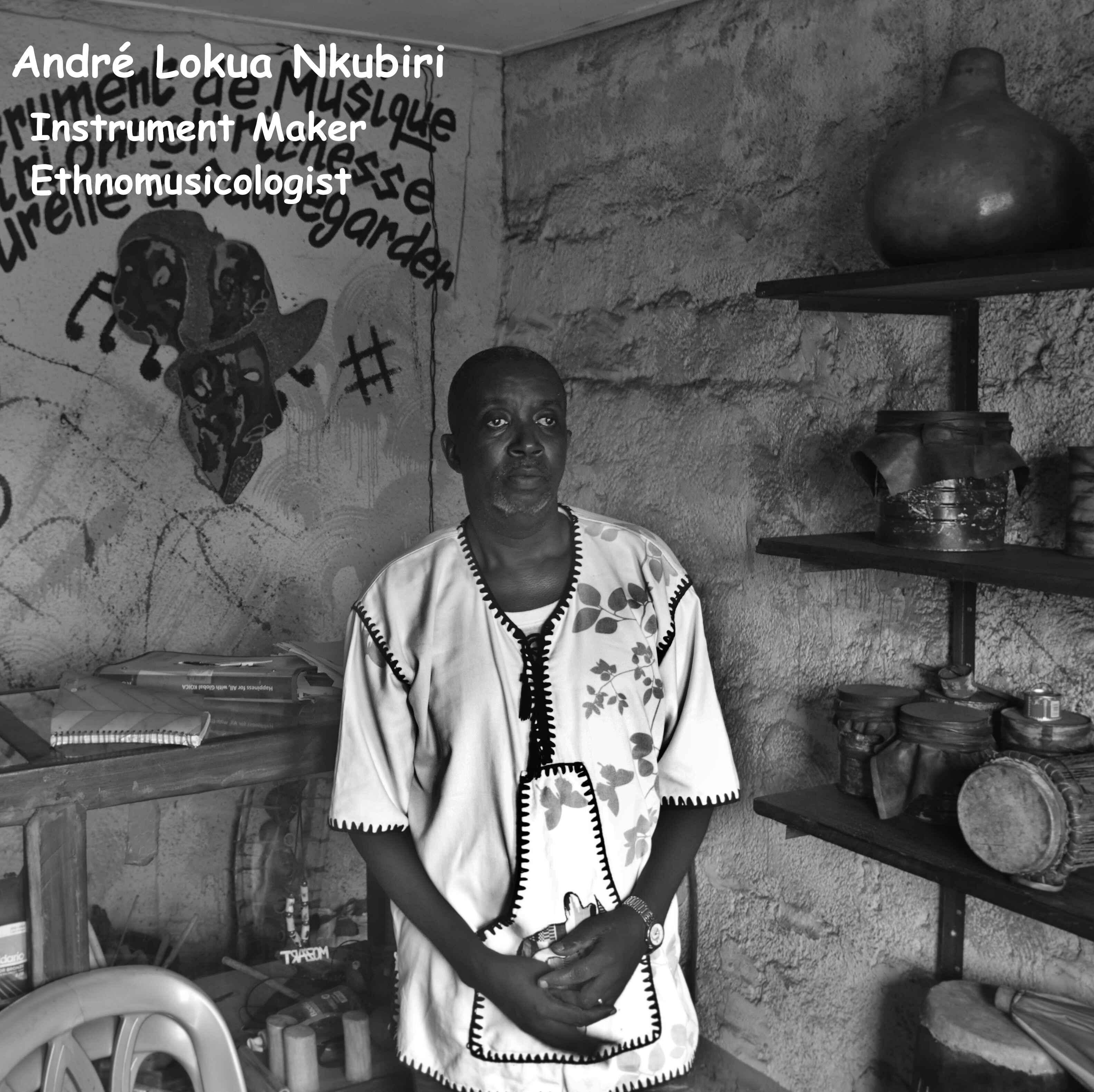
In addition to film and audio recordings, I also work with interviews. Below are some excerpts in French to read and listen to. It is a good idea to listen to the audio recording while reading the text.
The pictures can be clicked on
End of the presentation
Author: Philipp Kuhn
Field of study: Ethnomusicology
University of Music and Theatre Munich